
There’s a particular energy that emerges when things are still forming—before they’re finalized, branded, or neatly categorized. It’s the moment when ideas feel most alive, when questions matter more than conclusions, and when experimentation isn’t just allowed but necessary. This space, whether physical or conceptual, is often where the most interesting work begins.
In recent years, the boundaries between disciplines have continued to blur. Creative practices now move fluidly across art, design, technology, and research, resisting fixed definitions in favor of responsiveness and adaptability. What once existed in silos now overlaps—process becomes product, and collaboration becomes a methodology rather than an afterthought. This shift isn’t about novelty for its own sake, but about finding more honest ways to respond to complex social, environmental, and cultural conditions.
At the same time, slowness has re-emerged as a quiet form of resistance. In contrast to constant production and rapid consumption, there’s growing value placed on careful observation, material sensitivity, and sustained inquiry. Projects that take time—whether to build, understand, or experience—invite deeper forms of engagement. They ask audiences not just to look, but to linger.
There’s a particular energy that emerges when things are still forming—before they’re finalized, branded, or neatly categorized. It’s the moment when ideas feel most alive, when questions matter more than conclusions, and when experimentation isn’t just allowed but necessary. This space, whether physical or conceptual, is often where the most interesting work begins.
In recent years, the boundaries between disciplines have continued to blur. Creative practices now move fluidly across art, design, technology, and research, resisting fixed definitions in favor of responsiveness and adaptability. What once existed in silos now overlaps—process becomes product, and collaboration becomes a methodology rather than an afterthought. This shift isn’t about novelty for its own sake, but about finding more honest ways to respond to complex social, environmental, and cultural conditions.
At the same time, slowness has re-emerged as a quiet form of resistance. In contrast to constant production and rapid consumption, there’s growing value placed on careful observation, material sensitivity, and sustained inquiry. Projects that take time—whether to build, understand, or experience—invite deeper forms of engagement. They ask audiences not just to look, but to linger.
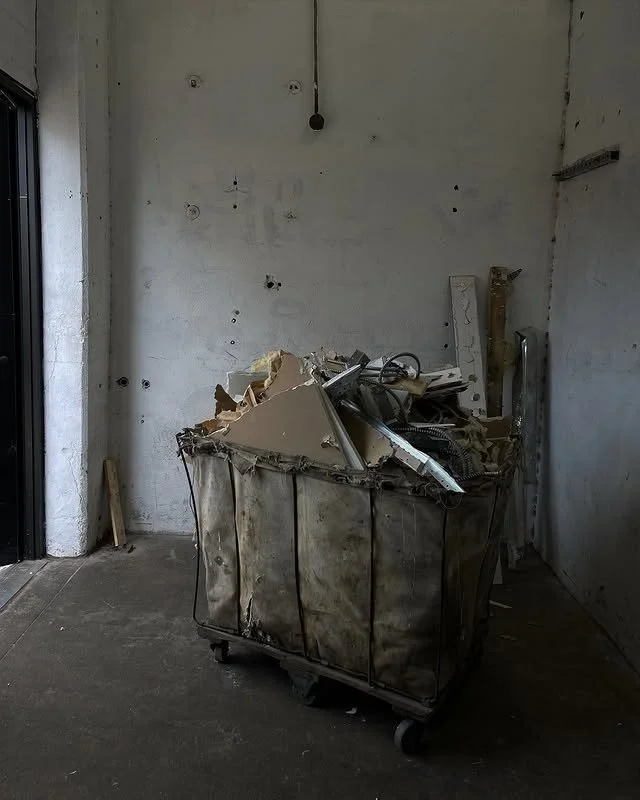 Caption for image
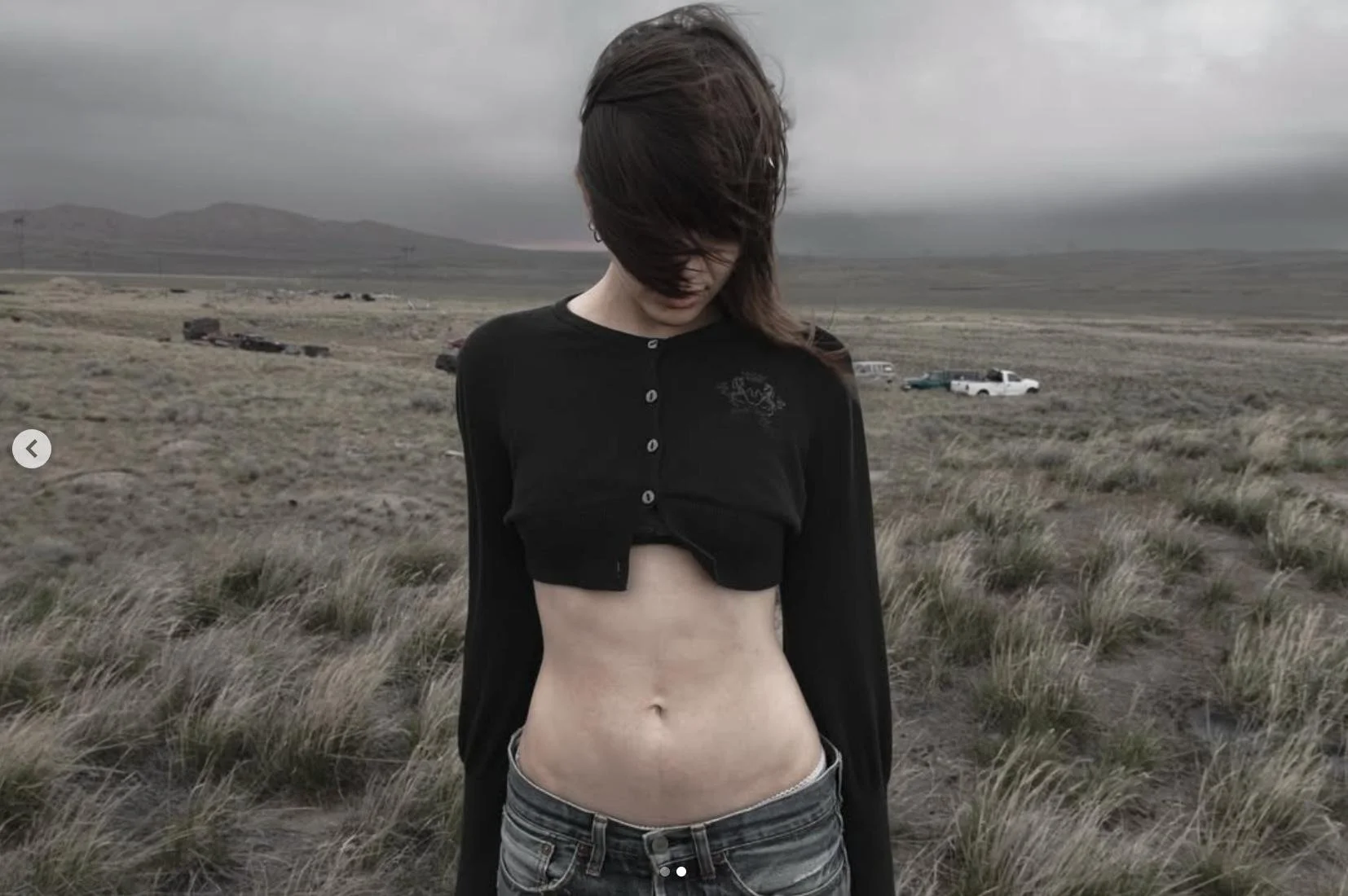 Caption for image
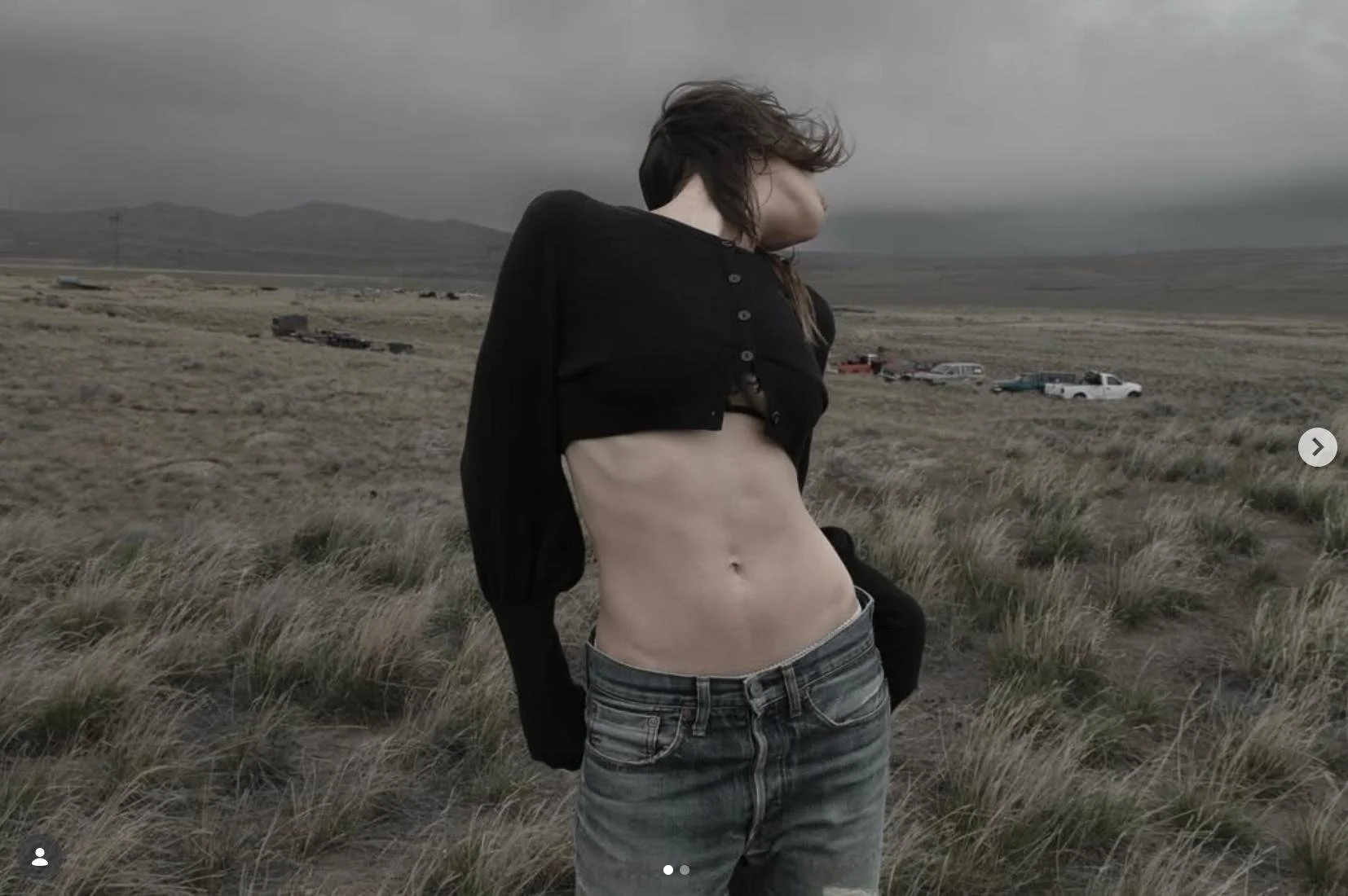 Caption for image
 Caption for image
Caption for image
Caption for image
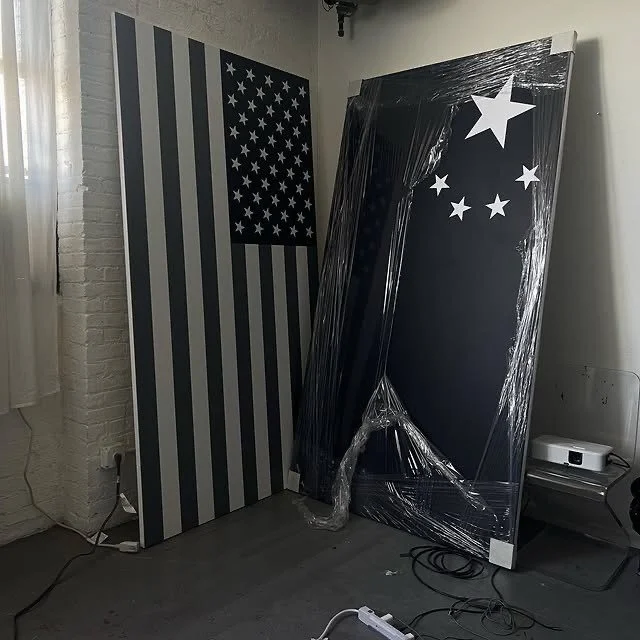 Caption for image
At the same time, slowness has re-emerged as a quiet form of resistance. In contrast to constant production and rapid consumption, there’s growing value placed on careful observation, material sensitivity, and sustained inquiry. Projects that take time—whether to build, understand, or experience—invite deeper forms of engagement. They ask audiences not just to look, but to linger.
Context matters. Work does not exist in isolation, and neither do the spaces that hold it. Whether situated in a gallery, a temporary venue, or a digital platform, each setting shapes how something is read and remembered. The relationship between site and content can amplify meaning, creating dialogues that extend beyond the object itself and into the surrounding environment.
At the same time, slowness has re-emerged as a quiet form of resistance. In contrast to constant production and rapid consumption, there’s growing value placed on careful observation, material sensitivity, and sustained inquiry. Projects that take time—whether to build, understand, or experience—invite deeper forms of engagement. They ask audiences not just to look, but to linger.
Context matters. Work does not exist in isolation, and neither do the spaces that hold it. Whether situated in a gallery, a temporary venue, or a digital platform, each setting shapes how something is read and remembered. The relationship between site and content can amplify meaning, creating dialogues that extend beyond the object itself and into the surrounding environment.
At the same time, slowness has re-emerged as a quiet form of resistance. In contrast to constant production and rapid consumption, there’s growing value placed on careful observation, material sensitivity, and sustained inquiry. Projects that take time—whether to build, understand, or experience—invite deeper forms of engagement. They ask audiences not just to look, but to linger.
Context matters. Work does not exist in isolation, and neither do the spaces that hold it. Whether situated in a gallery, a temporary venue, or a digital platform, each setting shapes how something is read and remembered. The relationship between site and content can amplify meaning, creating dialogues that extend beyond the object itself and into the surrounding environment.
At the same time, slowness has re-emerged as a quiet form of resistance. In contrast to constant production and rapid consumption, there’s growing value placed on careful observation, material sensitivity, and sustained inquiry. Projects that take time—whether to build, understand, or experience—invite deeper forms of engagement. They ask audiences not just to look, but to linger.
Context matters. Work does not exist in isolation, and neither do the spaces that hold it. Whether situated in a gallery, a temporary venue, or a digital platform, each setting shapes how something is read and remembered. The relationship between site and content can amplify meaning, creating dialogues that extend beyond the object itself and into the surrounding environment.
Interview by: Diane Choi
Edited by: Jet Le Parti
Images courtesy by Alexandria Elizabeth
CREDITS