

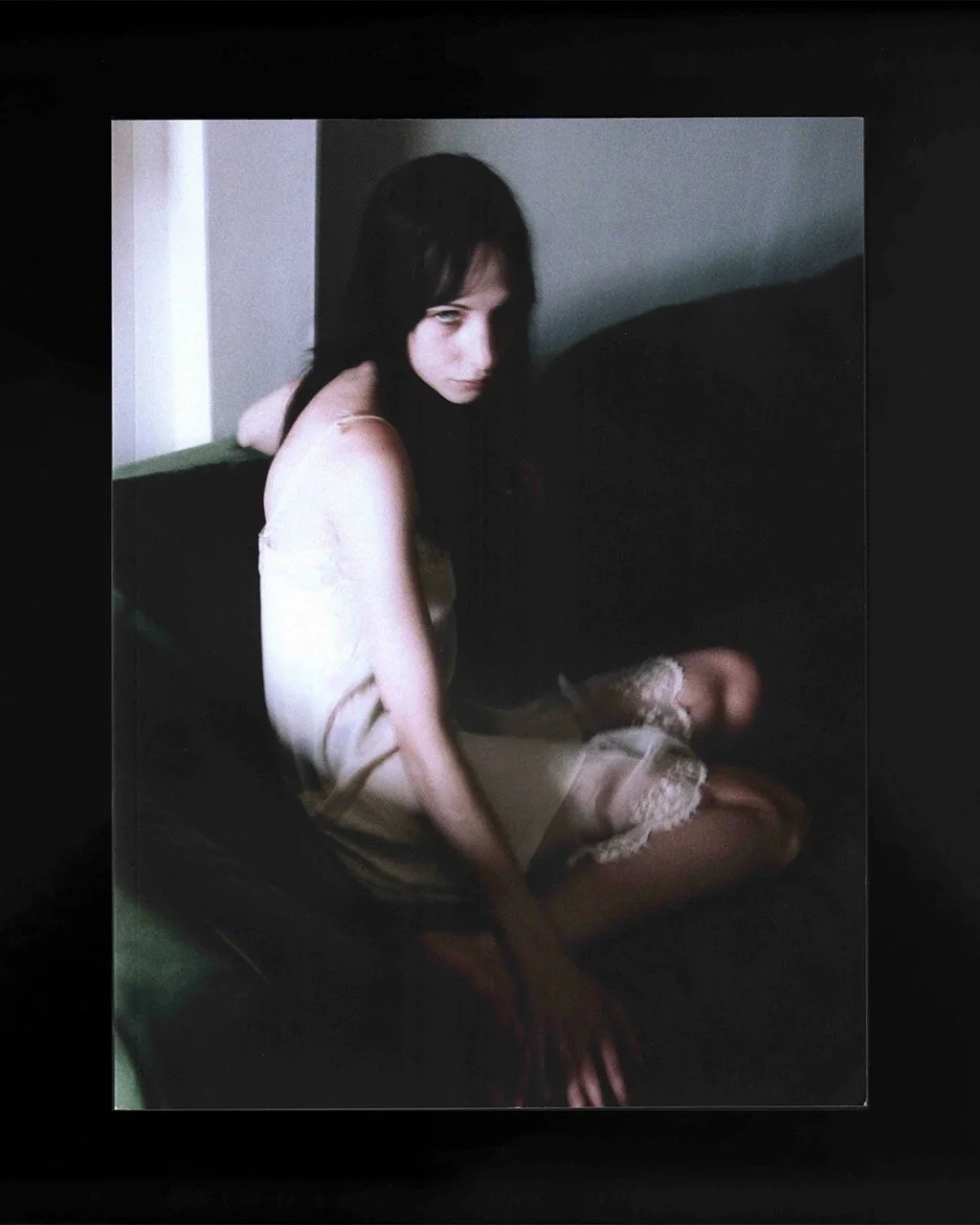
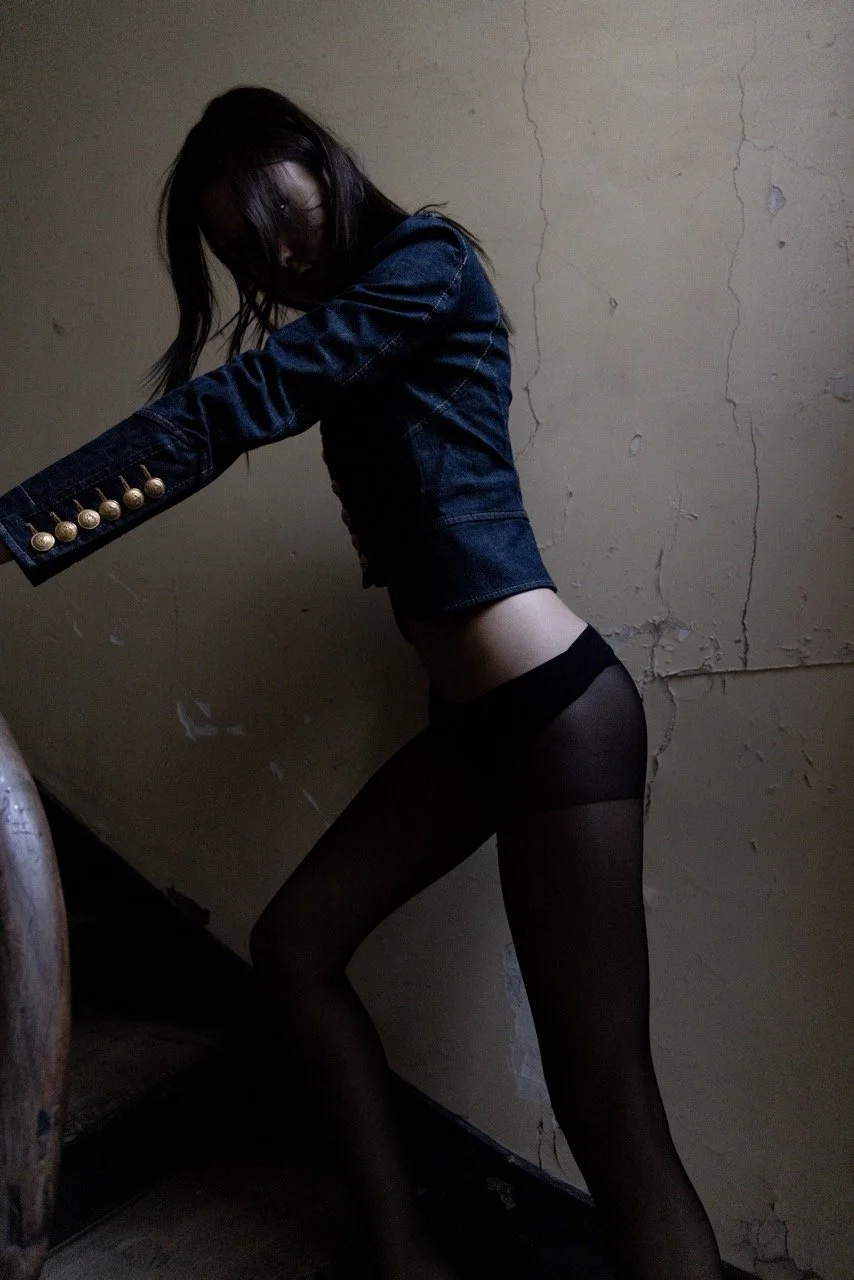
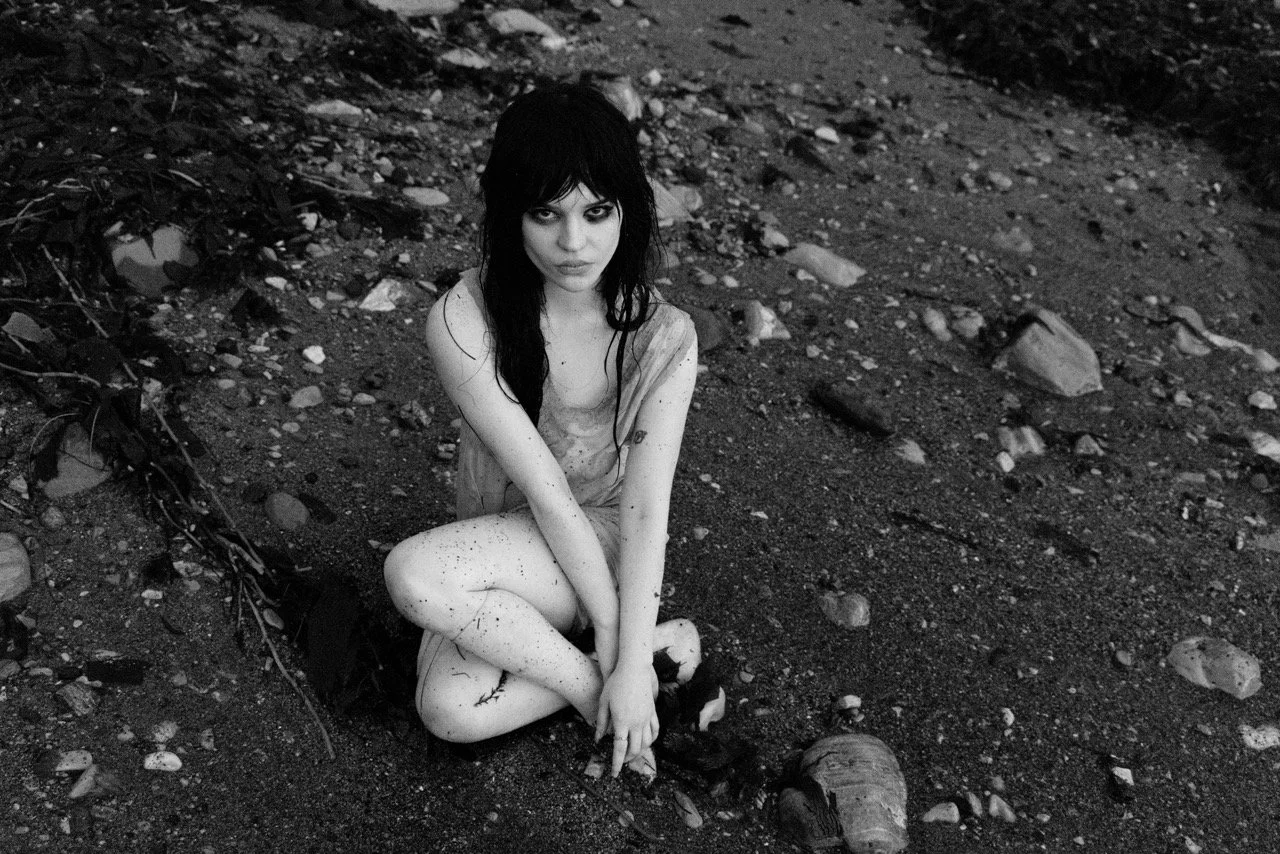
Jason Renaud is drawn to the kinds of images the internet seems designed to flatten out. As feeds grow brighter, cleaner and more interchangeable, his photographs lean into shadow, grain, film and Polaroid–formats that leave room for accident, texture and a feeling that cannot be endlessly reproduced. Bodies fold or disappear into darkness; silk, leather and tulle meet cracked walls, bare floors and wet shorelines. The image may be carefully styled, but it’s hardly ever scrubbed of friction.
Working between Los Angeles and Paris, Renaud has photographed and collaborated with names including Ann Demeulemeester, YSL, Devon Ross and Sophie Thatcher. While cinema remains as much a source of lighting and reference as photography itself, just as important are the faces he returns to. Thatcher, Ross and Mazzy Joya recur across different settings and moods, reflecting his preference for building something over time rather than constantly chasing the new. For Renaud, analog photography belongs to that same impulse: making images that resist easy replication and feel distinct from the endless stream surrounding them.
“People can like or dislike my work, but I don’t ever want to be accused of it being boring. “
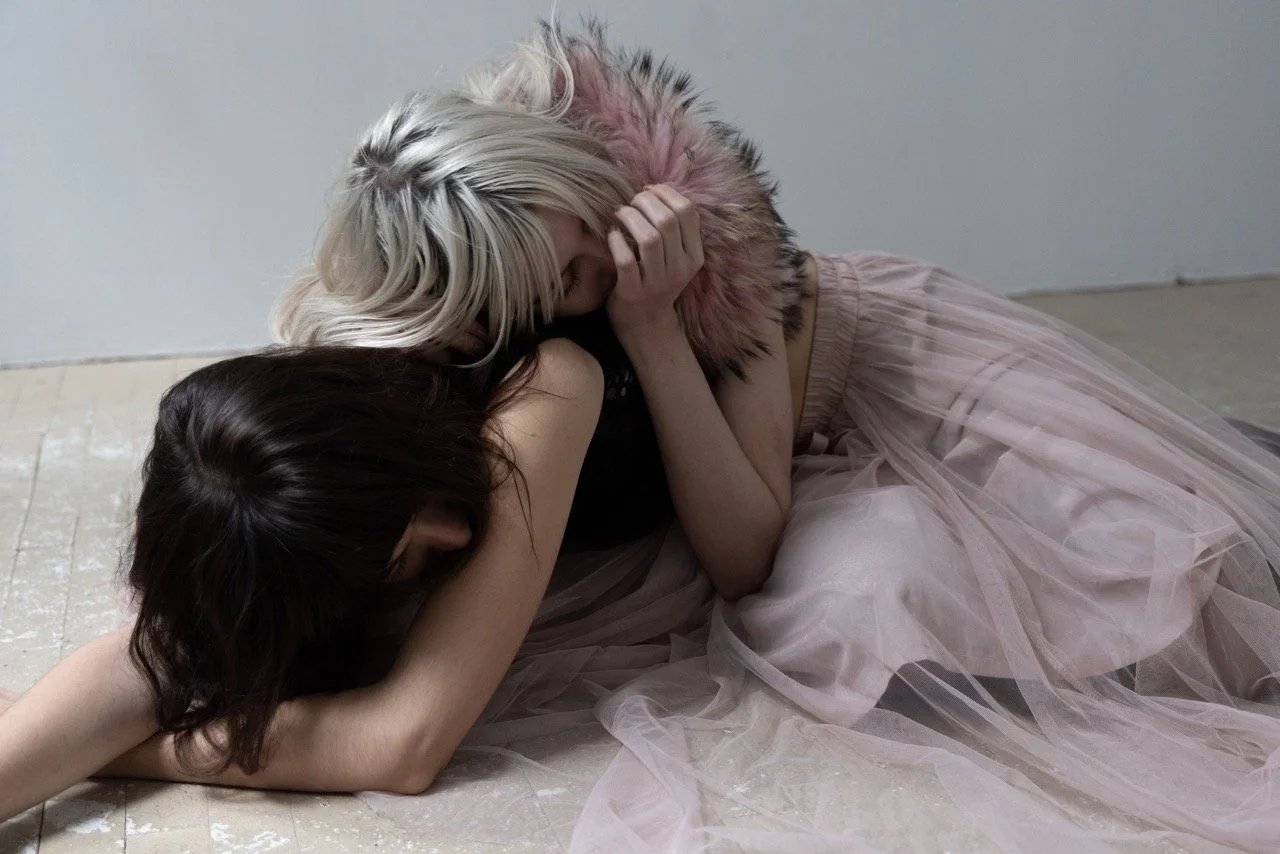
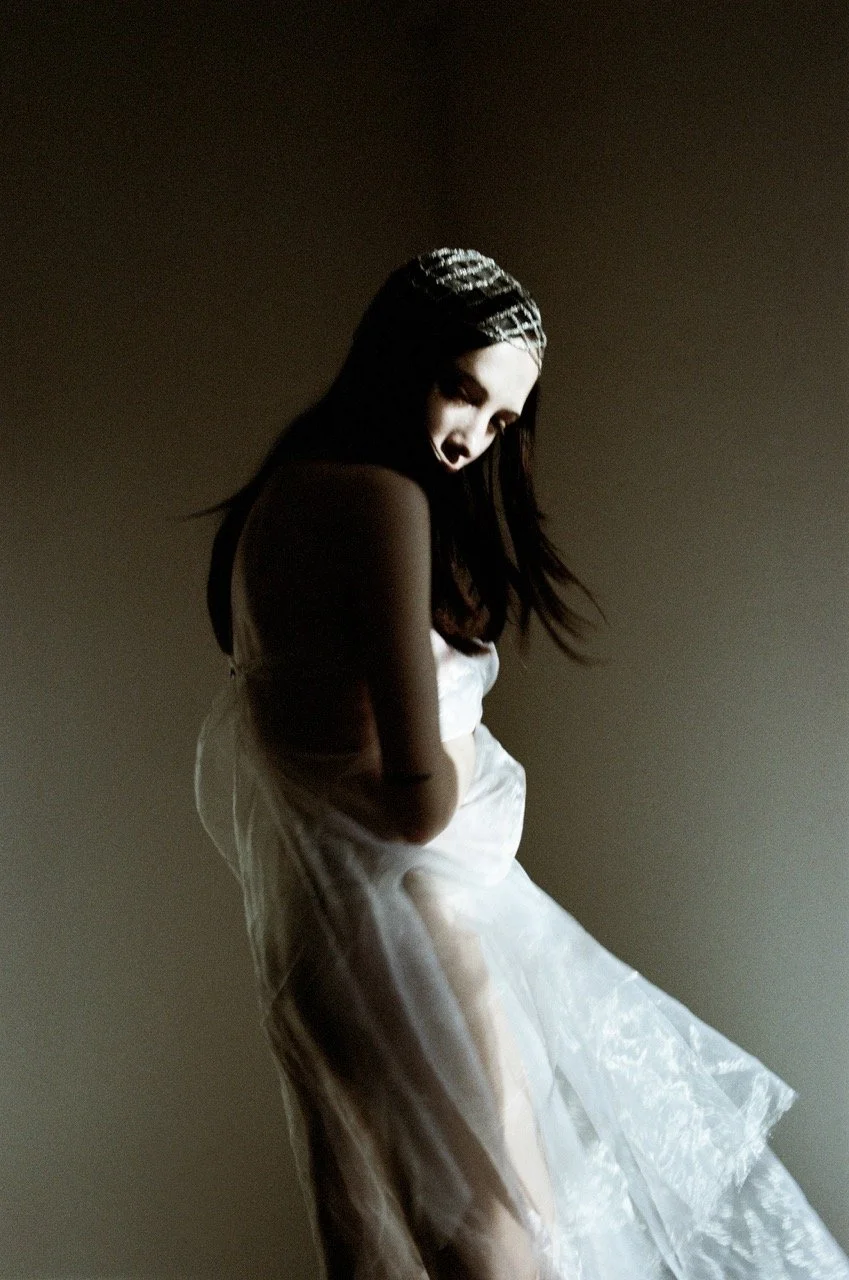
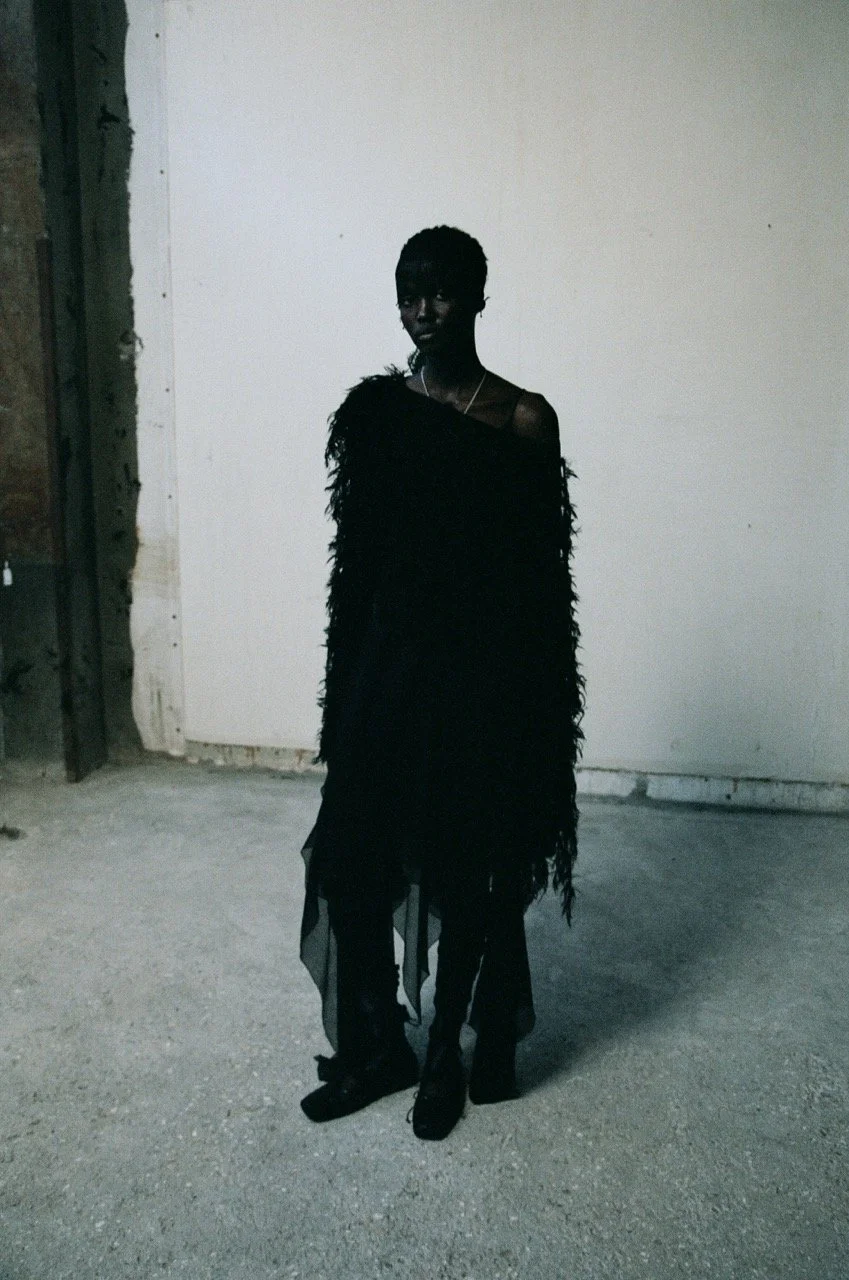
Collaborations with Stefano Gallici & Ann Demeulemeester, YSL, Devon Ross, Sophie Thatcher, and these are just names from recent projects. You are directly behind the scenes of building our visual field, shaping taste, directing what images enter the market. Where do you see yourself within the way aesthetics and visual culture are shifting? Where do you want to take it?
I think it’s always a conversation you’re a part of. There are so many other incredible photographers and visual directors out there and I’m lending a certain voice to that conversation and trying to do it in a meaningful way.
In a larger context, I would say I think the more things become digitized, commodified, there’s been a trend and appeal towards the real, the unreplicable work. I think that’s how I’ve often tried to approach my work and process. Something that cannot be made with AI, a certain feeling that moves beyond still imagery, work created for the pure pleasure of creating it versus to serve some explicit purpose. Using film and polaroid helps me create work like that.
My hope is that the more things plateau digitally, the more people can appreciate and find value in film photography, analog work, and even older photographers’ work. Many people are missing out on the beautiful imagery that was created between the 80s-90s. There is just so much current-day content forced down our throats. There is beauty in print references! And also going beyond just trying to copy something that’s seen on Instagram.
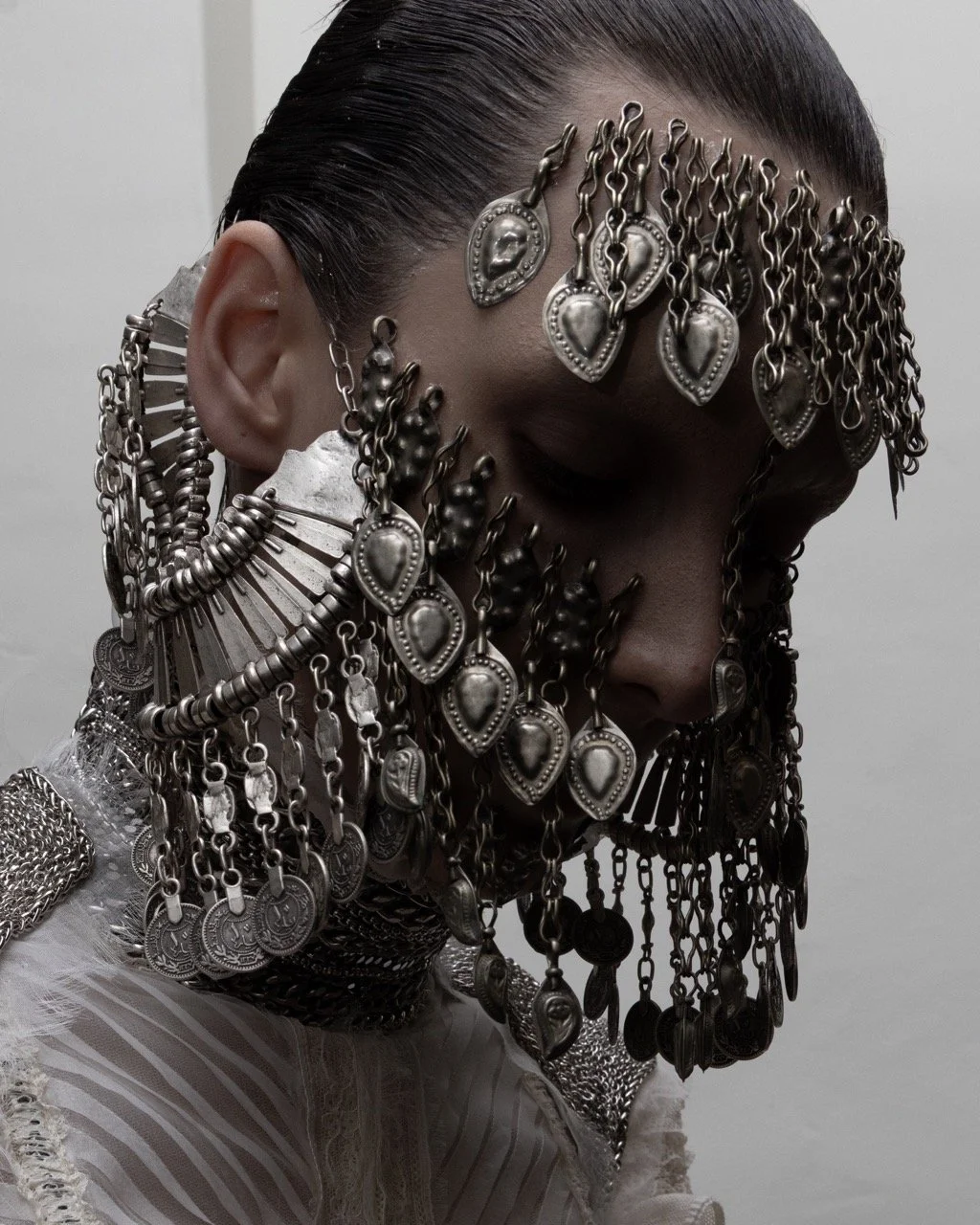 Jason Renaud, Dilara Findikoglu SS26 for Hero Magazine.
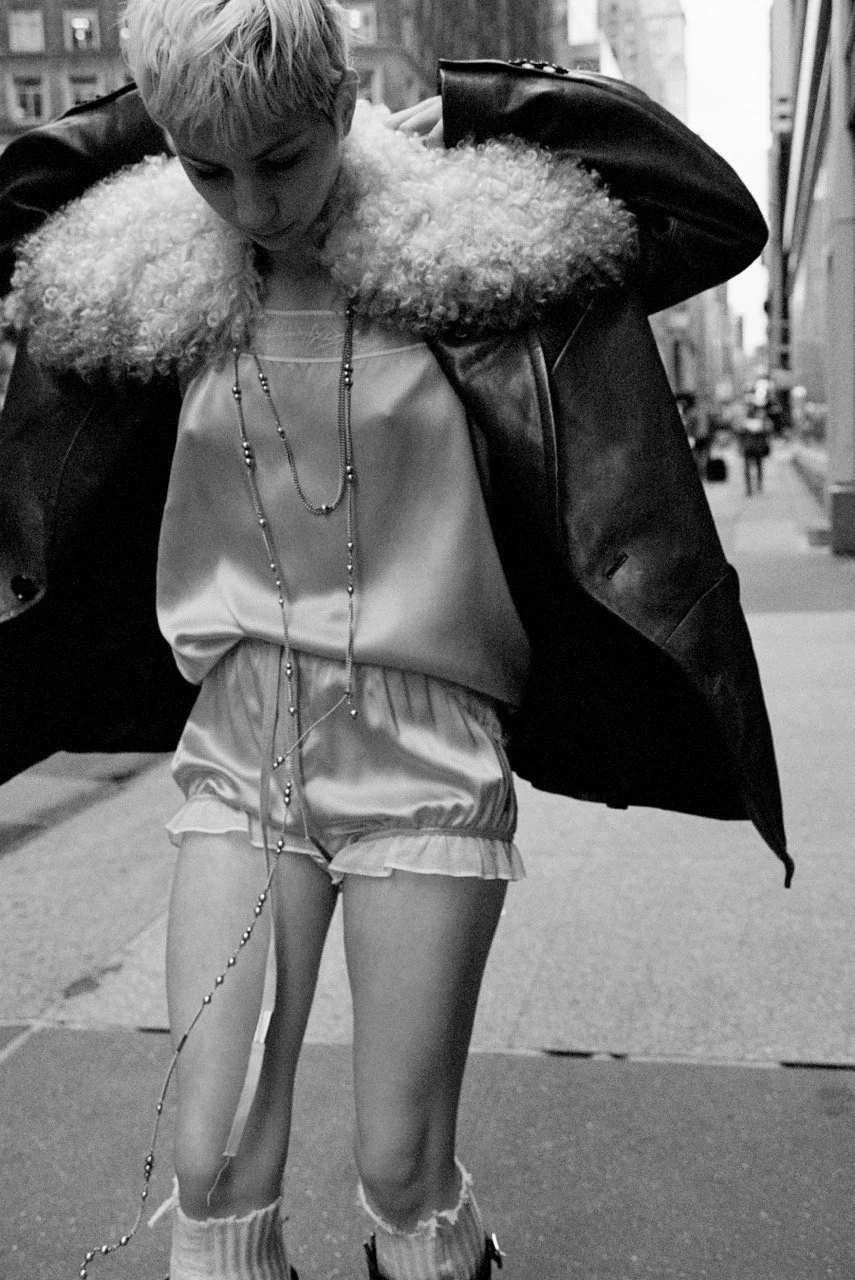 “Stella Rose Gahan for Ann Demeulemeester, “Kids of NYC." Creative Director @stefanogallici.
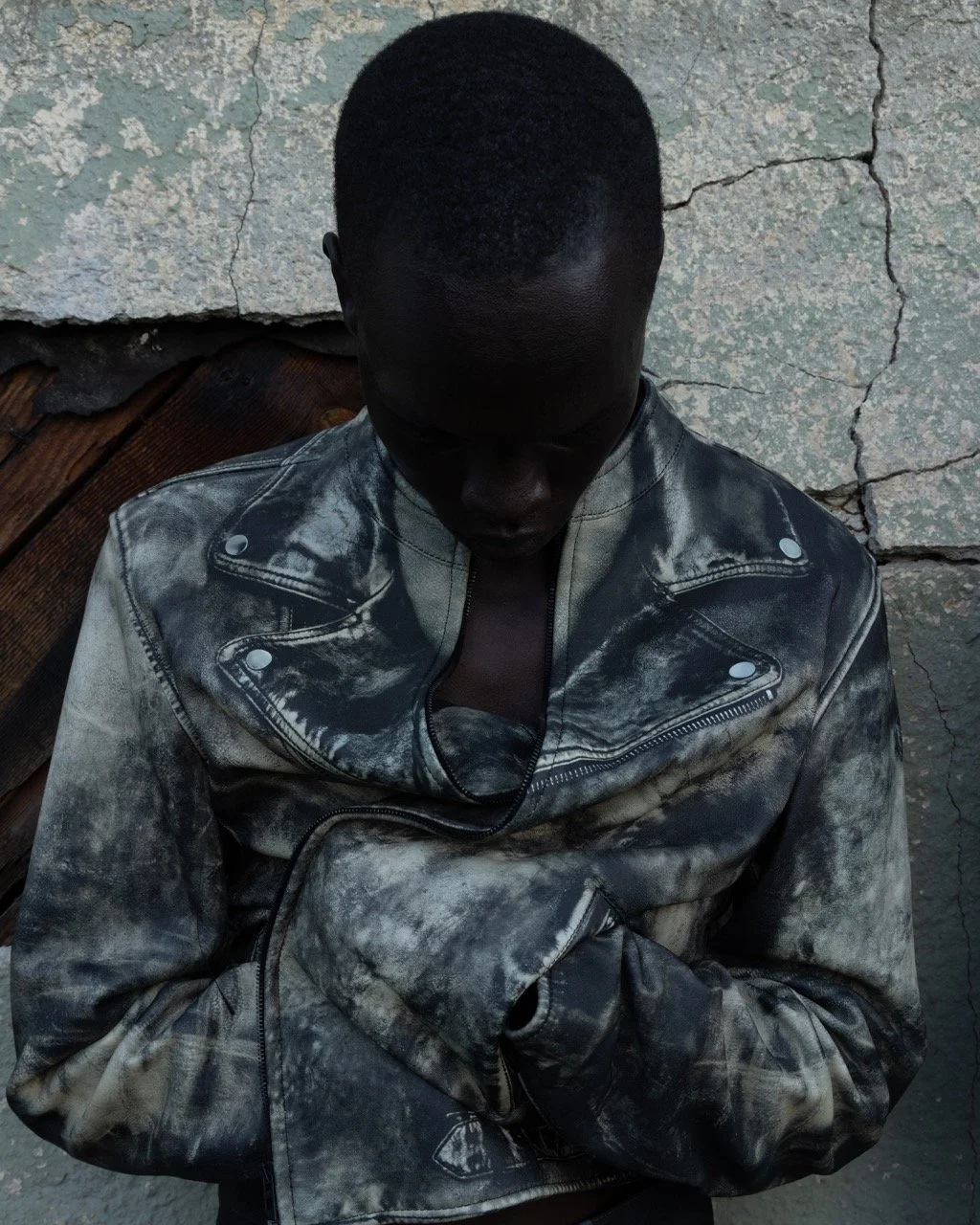 Jason Renaud, Across empty lawns, 2026, Marwang.
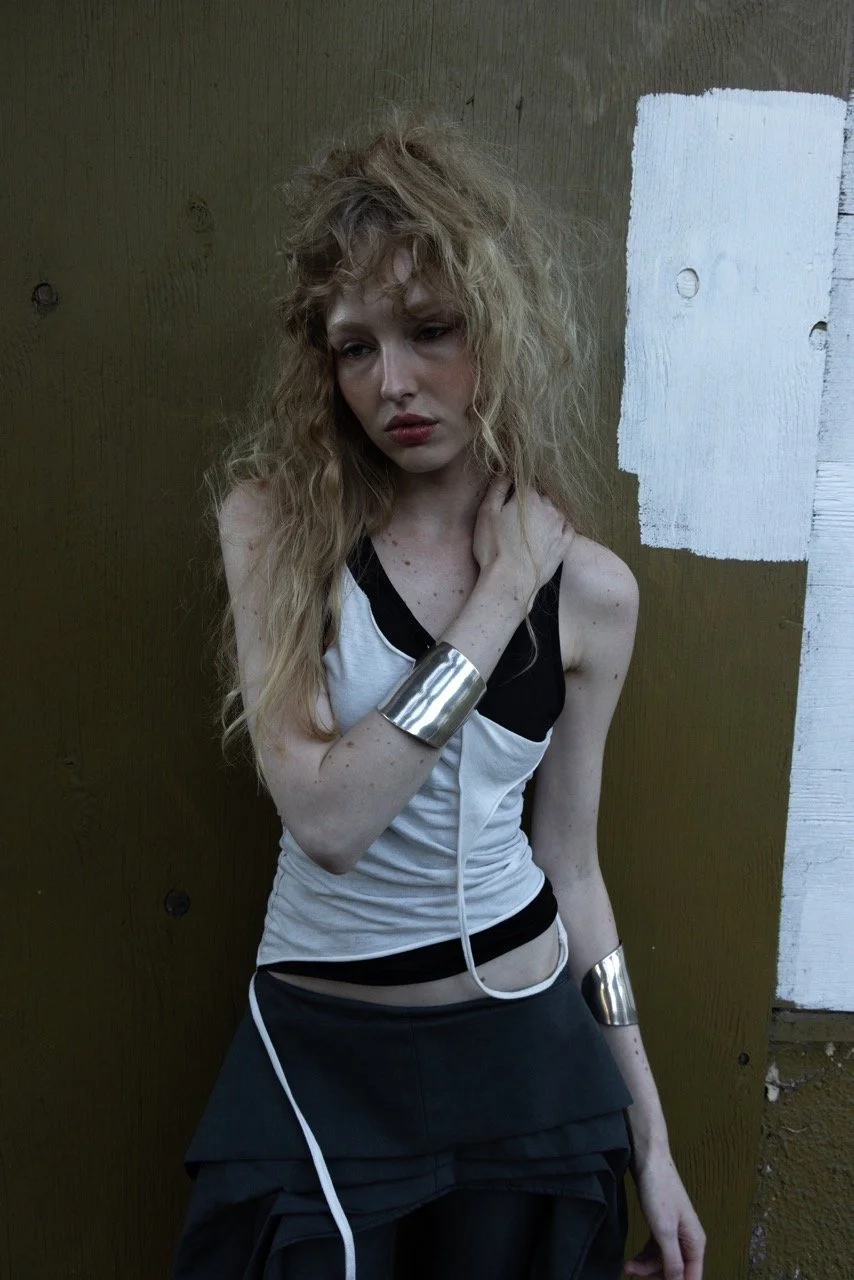 Jason Renaud, Across empty lawns, 2026, Hailey.
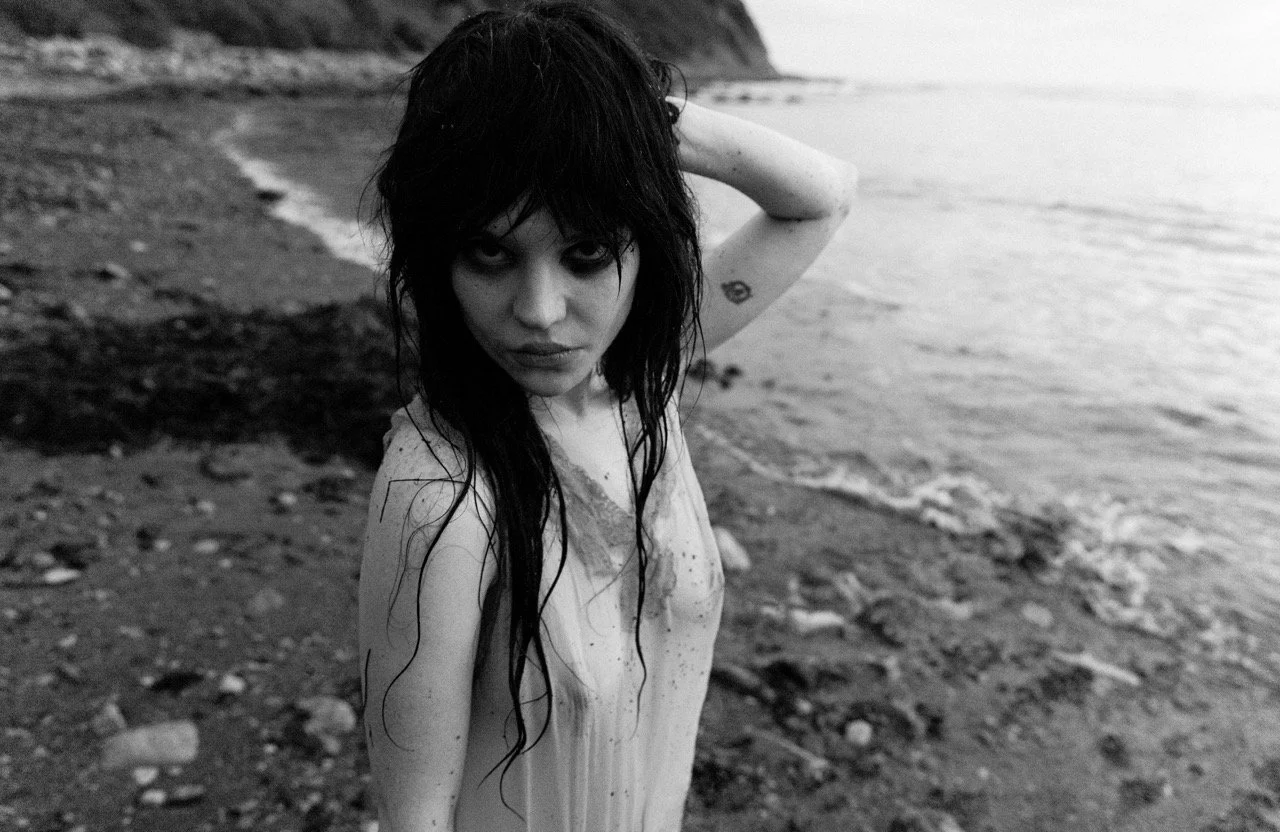 Jason Renaud, Sophie Thatcher, personal editorial.
Can you describe to us the look, the energy, texture, that you seek, stage, set, pulse, pull, emanate. Describe your voice.
It’s hard to describe my voice as myself. So much of it is more muscle memory at this point.
I am aware I have a specific cadence and style of my work, but I think I notice it less than someone who may be approaching my work for the first time. It’s just a type of work I find the most visually compelling. I do think that some of the softer, darkness of the work are in response to how bright and overly polished the online world is these days. It’s painfully bright, almost feels a bit disingenuous. I’d rather show things as they are or at least just different than what’s out there. How many washed-out lifestyle film photographers do we really need?
People can like or dislike my work, but I don’t ever want to be accused of it being boring.
What have been some of the larger turning points in your career? Big moments, but also smaller ones that left a big effect on you.
There are two that come to mind. One is when I met Stefano Gallici at Maxfields in LA. Little did I know then that our friendship would become the beautiful creative partnership it is today, as he became the creative director of Ann Demeulemeester and I continued to develop my voice. To this day, he’s still one of my closest friends, and I owe a lot of my creative journey to him.
My second is with Rudy Grazziani, this fantastic creative director in LA. He took a chance on me, brought me on to this amazing album and campaign with Labrinth—a wholly unique and incredible talent. The work we did together on that, along with some of the most amazing collaborators, really pushed my work forward and into the realm of music, a domain I continue to stay in touch with today.
Would you say there is an approach that is unique to you, a signature, a language, or an early habit that you’ve simply held on to?
Well I’m always told my work is very serious and dark, which is funny because I don’t find myself a super serious person. I guess if I had to pick a signature “thing” it would be my polaroid work. I always was interested in Polaroid photography and my first book was entirely just Polaroids.
Now that I’ve finished that project, I’ve pulled back from it a bit. For me, the medium has to just make sense to the project, and I never want to replicate the same formula. So I’ve been experimenting with other ways to shoot Polaroid, different formats, etc., and it’s been fun and challenging.
What are your interests outside of your practice, and how do they show up in your creative direction?
The biggest interest of mine outside of work, as anyone that knows me would attest, is certainly cinema. I went to school for it even. I think I pull references, lighting queues, ideas from cinema as much as I do photo books and photo references.
CREDITS
Header Jason Renaud. Lukita Maxwell, in her studio. Styling: @cryoungin, Assistant: @blueacmes.
Photography by: Jason Renaud
Written by: Claro Concetto
Image courtesy of Jason Renaud