
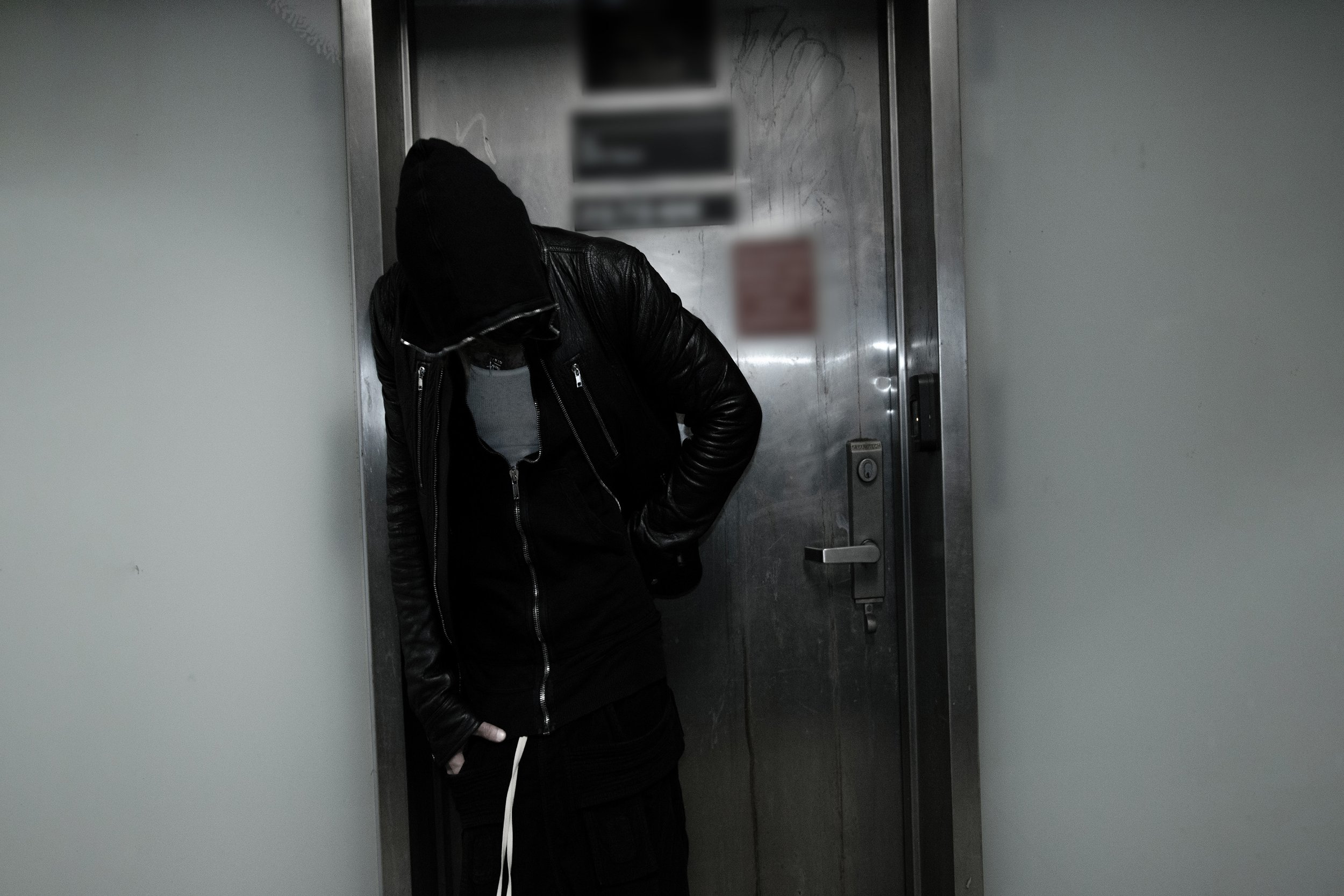
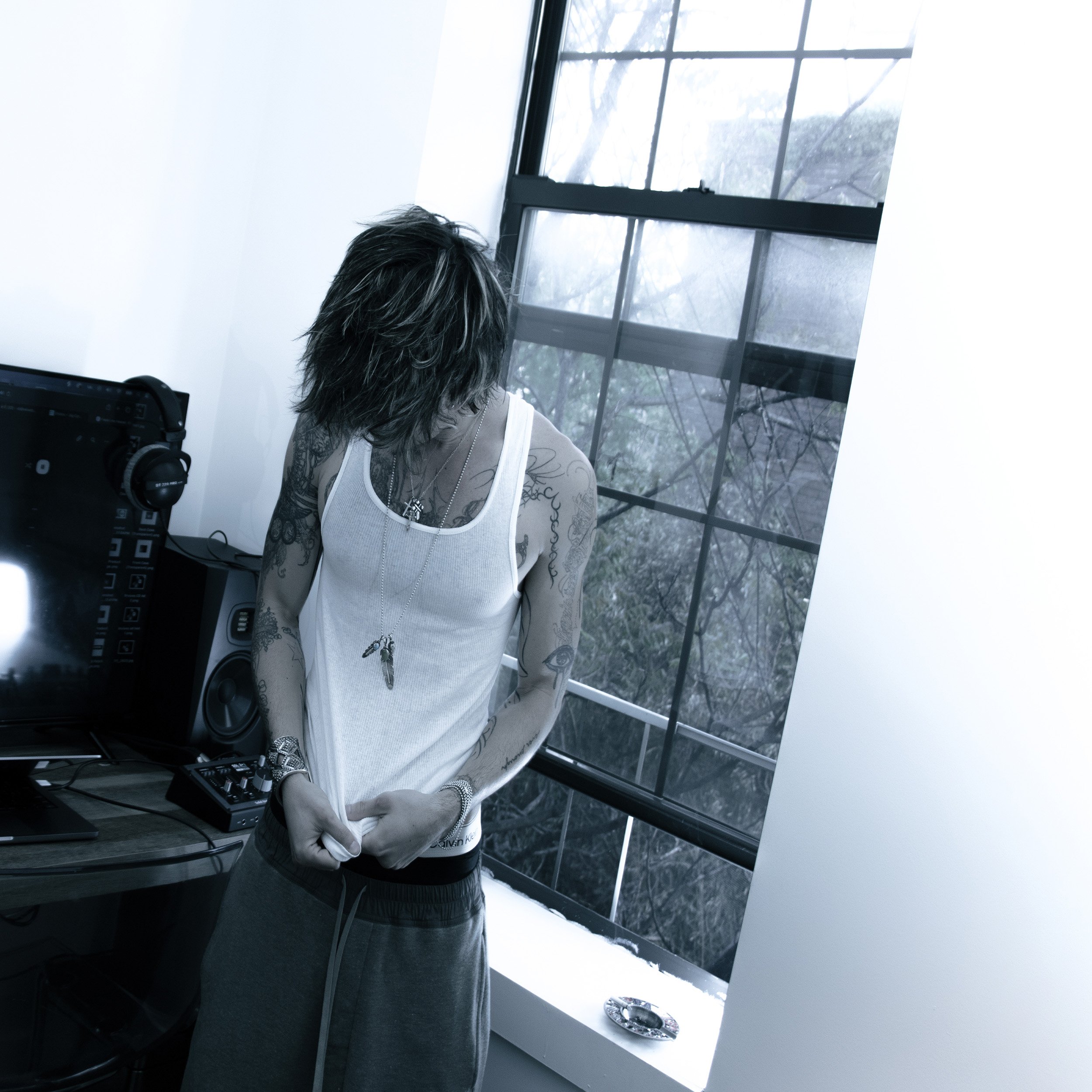
Velvet-textured, stained-glass, velvette blue tethers vision and nostalgia to his latest release, “Just Be.” Arizona-born but rooted in New York City, vb works at the intersection of the city’s subcultures and electronic DJ scenes, making low-tempo beats that drift between rave euphoria and a benzodiazepine haze. His music holds the tenderness of youth alongside familiar references from the 2000s. This particular track was thought lost when its project file vanished, only to resurface years later as a quiet mirror to his past self. Retaining the original, unvarnished vocal takes, the song stands as an unapologetic return to simplicity. “Just Be” is an artifact of recovery and nostalgia, a moody and catchy rewarming of cold waters that offers a gentle lead-in to a new body of work. The rediscovery of an old recording reminds him of what his own sound could still become. In the conversation that follows, vb looks back on the sounds, places, and experiences that shaped his work.
“There would be no vb without New York. I started everything here in the most organic way possible. The American dream may be dead, but some variation of it still exists in New York.”
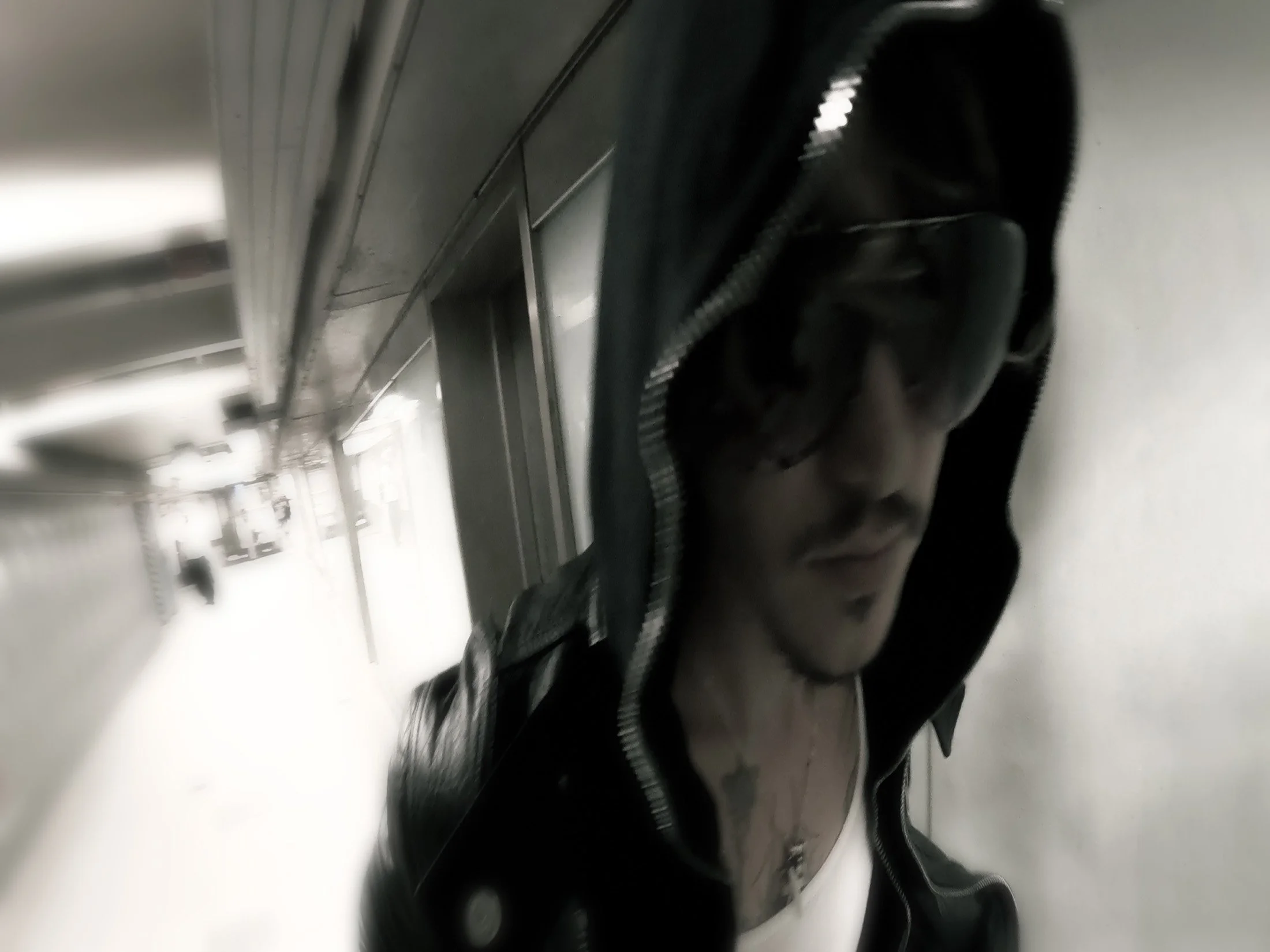
Can you share a bit about how you started?
I was born and raised in Phoenix. My parents are not musically inclined themselves but share a love for music. I have vivid memories of my dad driving me to kindergarten and listening to mix compilations by Tiesto and other European trance artists on one of the original iPods which we would aux cable into the car stereo. This was in the early 2000s.
When GarageBand first came out on the iPad, I worked odd jobs and saved up money so I could buy one. I was probably 10 or 11 years old. I thought playing instruments on the touch screen was the coolest thing. I got my first Macbook shortly after and learned how to produce on that.
In high school, fashion really exposed me to culture on a global level. That and photography/videography. I wasn’t really making music at the time, but all of those worlds are so intertwined that I think in a way it prepared me for what I would end up doing in the future.
I studied business at NYU but spent most of my time painting or making music. Eventually, I gave up painting to pursue music. Not for any specific reason, it just felt like the right thing to do.
How did dgnr8 first come together, and how did your sound and identity develop from there?
Rubi and I met in late 2021. I was still in college and showing a few paintings in a gallery with friends, and a mutual friend told Rubi to stop by and meet me. We bonded immediately.
In the spring of 2022 we both hit a low point, and started spending almost every day together out of a sort of necessity for connection. The project was born out of that period by accident. I think we just needed an outlet, and I had coincidentally been getting more into music at the time. We tried recording one night in my kitchen over a random instrumental I had produced. It was terrible, but it was good enough to give us the hope that there was something there that we should pursue.
You’ve been in New York, gone on some world tours, played at various venues, but mainly you’ve been in New York sort of repping it. How does the city / home life play into it all?
To me New York is the best city in the world. I’m obviously not a New Yorker by birth, but I feel like I’ve lived here long enough and contributed to my small niche of the culture enough to rep it. Or I guess people rep it for me. I think I’m known on the internet as a New York artist.
I love traveling, but when I’m on the road for shows and I’m exhausted, I crave coming home to my life here. It sounds crazy to say that about a city like New York, but when you live here it becomes comforting. There’s an electricity in the air that no other city has.
There would be no vb without New York. I started everything here in the most organic way possible. The American dream may be dead, but some variation of it still exists in New York.
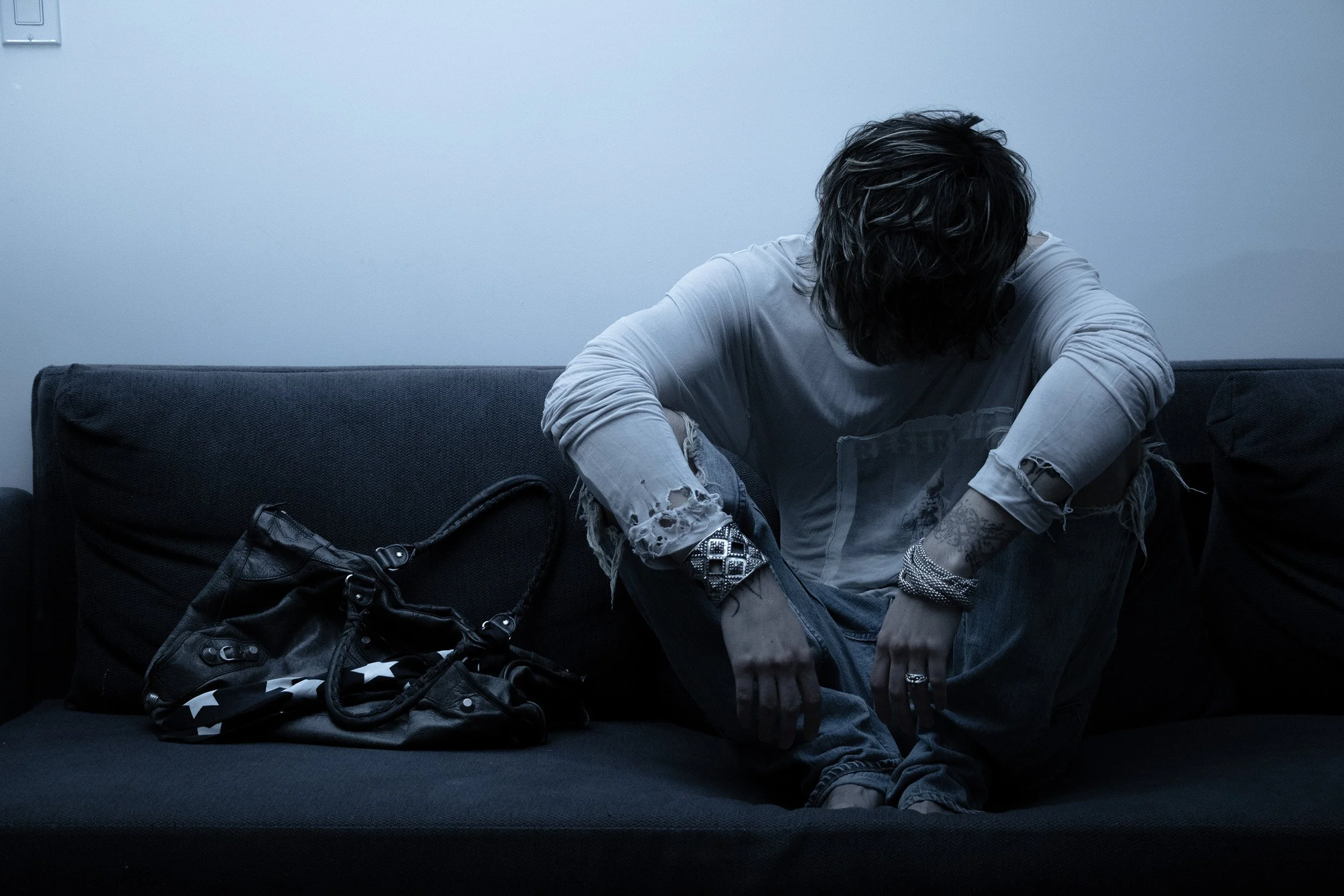
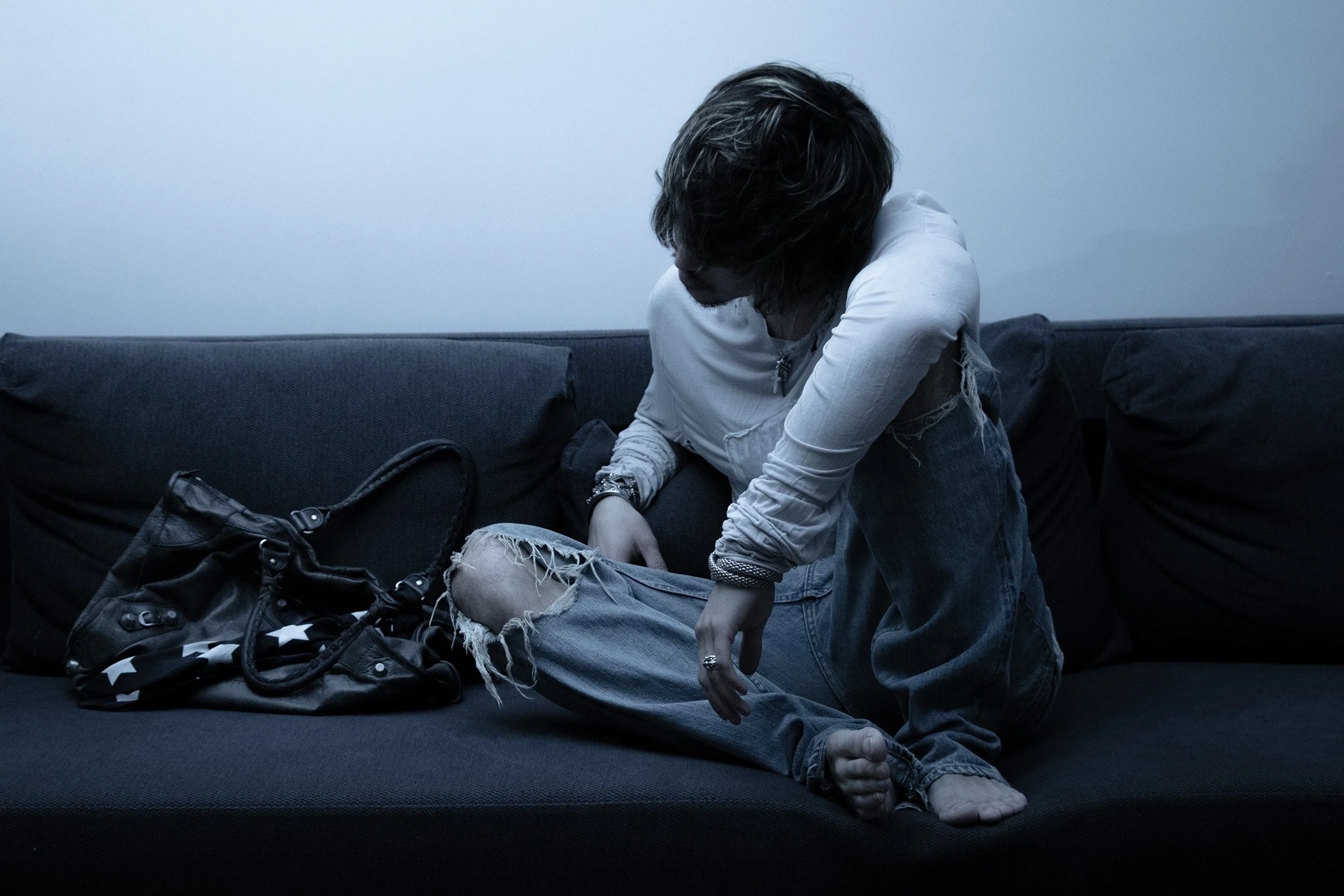
When I first discovered your music, it felt in and out of the present. I hear a lot of different people in it, from Kanye to electro to sleaze, to even the texturing and minimalist elements of someone like Lil Peep, Yung Lean, but also like a sort of post rock wave too. There’s this type of emotion that goes into it. Do you feel like there’s something connecting those different sounds for you?
I was heavily into Peep and Lean during my formative teenage years. They captured this feeling of youthful sadness and honesty that was really unmatched by artists at the time, and kind of still to this day. I don’t think about it actively, but when I make music I’m always trying to return to that feeling.
I tend to have a hard time expressing how I feel to the people around me, so a lot of that side of me is fulfilled by consuming and producing art that is rooted in emotion. Rubi and I have this half-joking motto that our project is about “heart and quality.” I think the democratization and accessibility of making music in the present day has led to an influx of objective quality, but a lot of it is missing the heart. The feelings. Honesty.
So yes, emotion is the through-point. There’s a million different ways to make a song, but if I don’t put any love into it, then it’s just sound.
Do you feel like you’re getting closer to a sound you’ve always wanted to make, or is experimenting taking you somewhere you didn’t necessarily expect?
I can’t say I’m getting closer to anything because I never really had a goal in mind. I go through phases where I’m into certain sonic landscapes or synths or drum patterns – I’ve been making music long enough now to notice that. But really all I can do is capture the essence of myself that is present in the moment that the work is made.
I love experimenting, but I’m also not afraid to lean in and spend months making a bunch of songs that are very similar. It’s like painting with the same color palette for a while. If I’m really loving something, what’s the harm in seeing out all possible versions of it? To me, that is a form of experimentation that isn’t talked about enough. I guess you could call it iteration, but with music it’s not quite as literal.
Tell us about this track. What about this track made you want to put it out?
The track was written and recorded in one night years ago at my old apartment on the Lower East Side. I remember thinking the demo was special, but somehow I lost the project file. So I just accepted that fate and grew to love the demo, despite its flaws that I wanted to fix but couldn’t. On numerous occasions (usually drinking) I came close to uploading the demo version on SoundCloud, but the little imperfections always bothered me too much to go through with it.
Eventually the project file resurfaced, miraculously. I spent a bunch of time trying to re-record the vocals, but nothing I could do made it better. I just couldn’t capture the same emotion of the original night. So I scrapped all the new stuff and went back to the original vocal takes, fixed the little flaws that were bothering me by chopping them up a little bit, and considered it finished.
I threw it into a collection of songs that was supposed to be my first album. This was going to be the lead single. I’ve since scrapped the album in that form, but I still love the song. So now it’s time for the world to have it.
Where does it sit in your evolution? How has your sound changed to meet you here at this moment, or could it be a returning to something more nostalgic?
When I made the track it definitely stood out from the rest of my catalogue, which was more edm and house focused at the time. I think losing the project file for that period was the universe telling me that it wasn’t the right moment.
What’s beautiful about releasing it now is that I’m a little older, and my viewpoint has shifted. Now I sort of long for the simplicity and rawness that the song was able to capture, and the accidental limitation of misplacing the file that essentially forced me to accept it in its original form. I’m almost proving to myself that I can still feel comfortable today releasing something that I initially thought was too flawed to be shown.
To answer your question, it’s a little bit of both. It is nostalgic, but it also feels like the start of a new chapter for me, one where I’m unapologetic about what I like and what I want to put out. I used to feel pressure to fit into a certain box. Now, I don’t care so much.
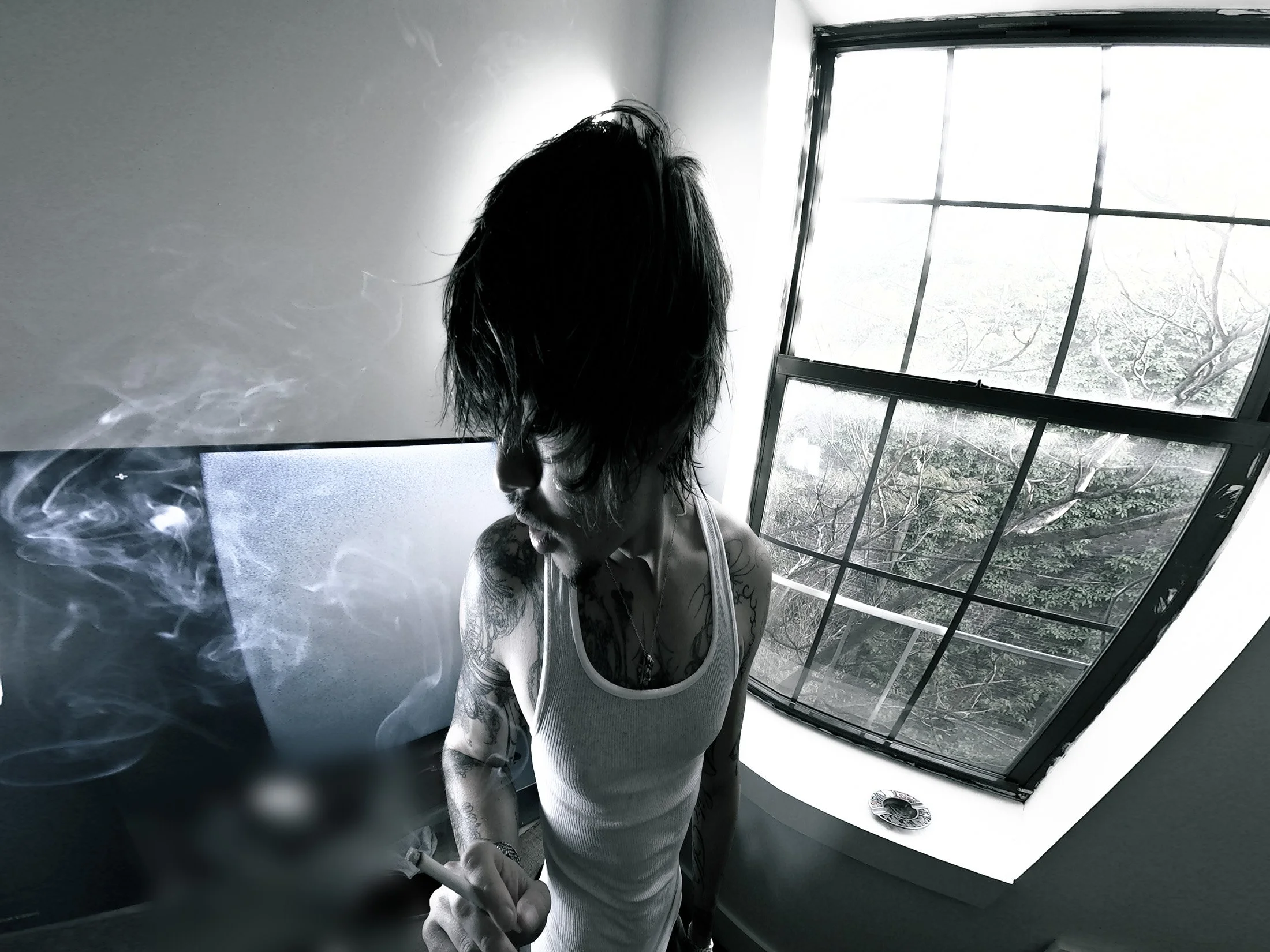
How does aesthetics affect your work? Like, how much does the visual side of what you’re doing play into the music itself?
Visuals and music are so intertwined in building a brand as an artist, but they aren’t fundamental for me when I’m writing music. There’s no doubt in my mind that the aesthetic context and visual identity of my life at the time influences my work, but there’s no way for me to quantify or explain that.
When I’m recording, I get so consumed in the feeling and the sound that there’s just no bandwidth left for other things. Sometimes I’ll throw on background visuals like a film or music videos while I’m working, but that’s really the extent of it. I love the music first, and figuring out how to represent it visually is a completely separate creative process for me.
What were you visualizing when you were making “Just Be”?
I honestly can’t remember. Because I wrote and recorded everything in one night, it was so spur of the moment. The writing was largely based on this feeling of unease that had been enveloping me at the time. There was just so much happening at once – life changes, the start of a new relationship. It felt like I was at a pivotal moment in my life’s trajectory. So I think I was visualizing peace when I made this. A break from the chaos.
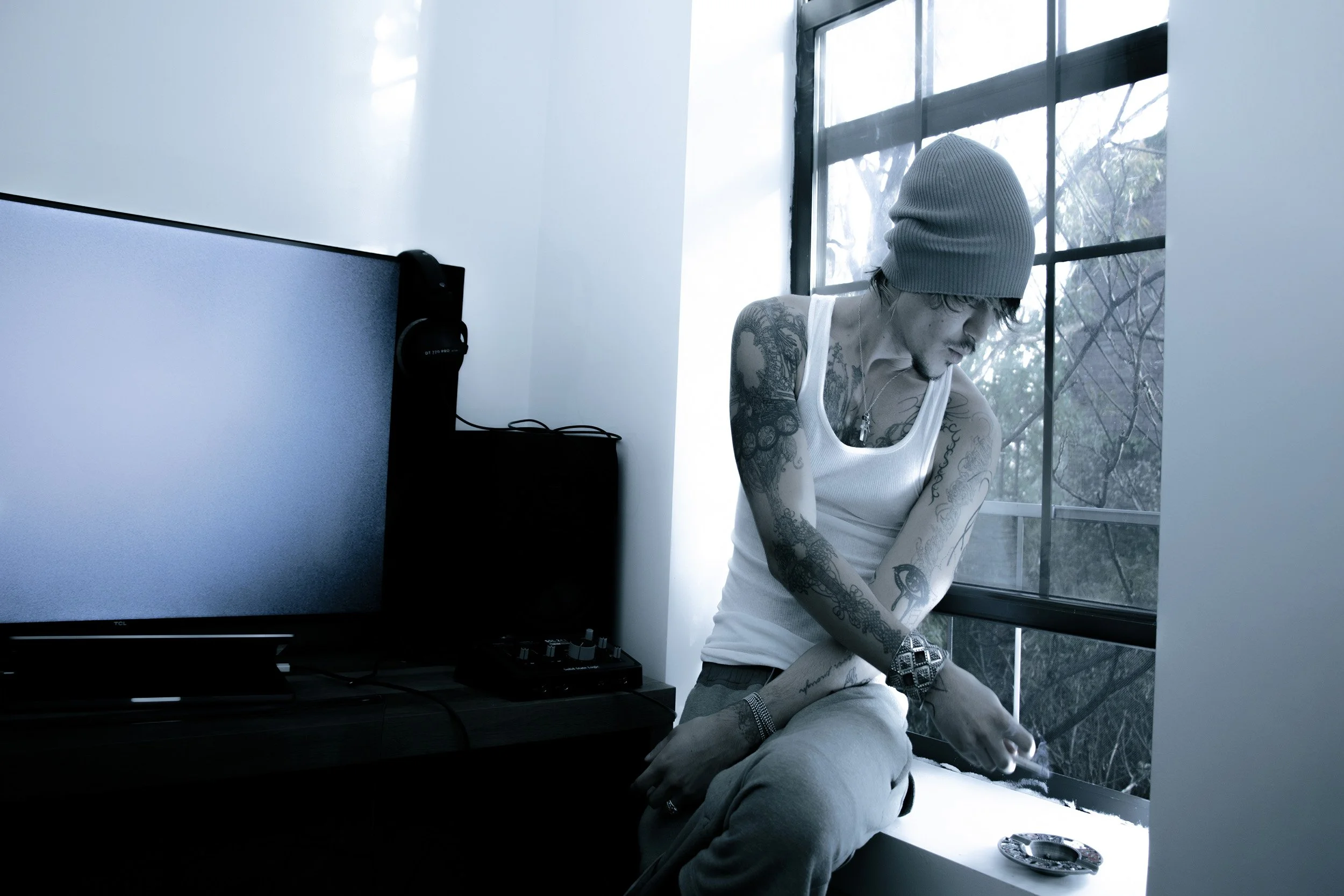
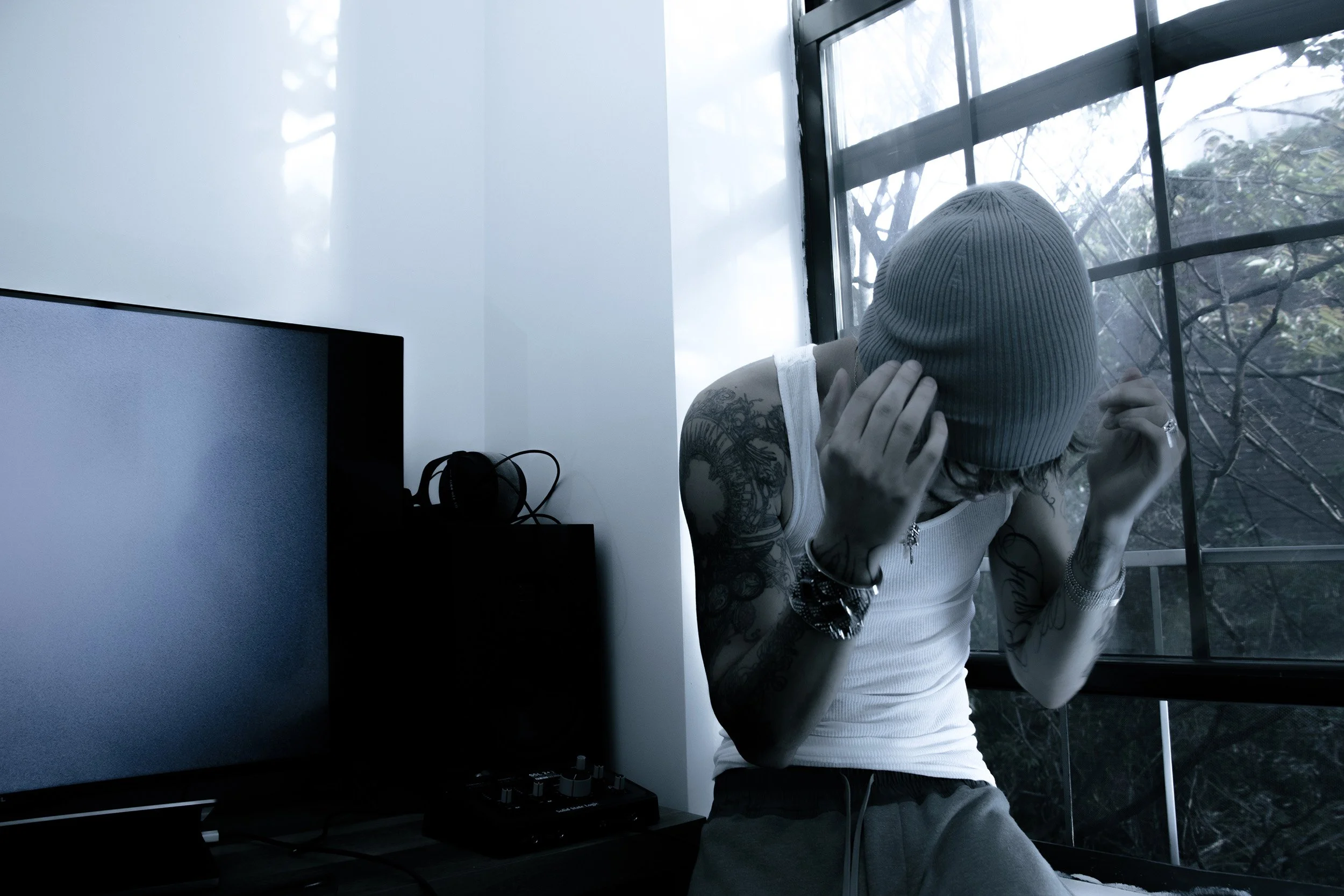
The currents around this genre have continued to warp and change. Is it the artists shifting its sound, or could it be the culture that’s shifting how people hear it?
I can’t speak for the industry as a whole, but it’s pretty apparent that the subsection of music that I’ve been lumped into has become somewhat of a cultural moment, at least for the youth. The prevalence of commentary surrounding this genre on social media is crazy, and is no doubt affecting the way that music is consumed and created. I don’t think it’s entirely a bad thing, but I do think the internet has created a bit of a hive mind problem when it comes to taste. It feels like everyone is doing the same thing right now, which has kind of ruined my own relationship with the genre as a fan. It’s always up to the artists to shape the sound, but nowadays it does seem like culture has its hands on the wheel at the same time.
How does your upcoming album release speak or respond to this current?
To be honest I don’t even know if I’m going to put out an album anytime soon. At least not in the traditional sense. I’m exploring alternative modes of packaging a body of work. I think the world’s changed and albums feel a bit dated, sort of like something you have to do to check off a box. I want to release things in a way that feels right. If that’s an album then it will be an album. I guess that’s my response to the current.
CREDITS
Header velvette blue. Photography: @louisferc.
Artist: velvette blue
Written by: Claro Concetto
Interview by: Jet Le Parti
Photography by: Louis F. Cota
All images courtesy of velvette blue.